
Are you thinking of visiting Japan and want to learn more about the cuisine there? If you’re looking for something to satisfy your cravings, or you can’t place that thing you had the other night, peruse the options on the web.
No matter where you are, the local cuisine will always be a great window into the local culture. It would take a lifetime of dedicated study to learn everything there is to know about Japanese dishes.
Have you ever visited a sushi restaurant to be overwhelmed by the options? Sashimi and nigiri are two of the most well-known forms of sushi, although many individuals are unaware of their differences. Despite their similar appearance, these two dishes are pretty distinct. Learn more about these two sushi classics in the following text.
Nigiri
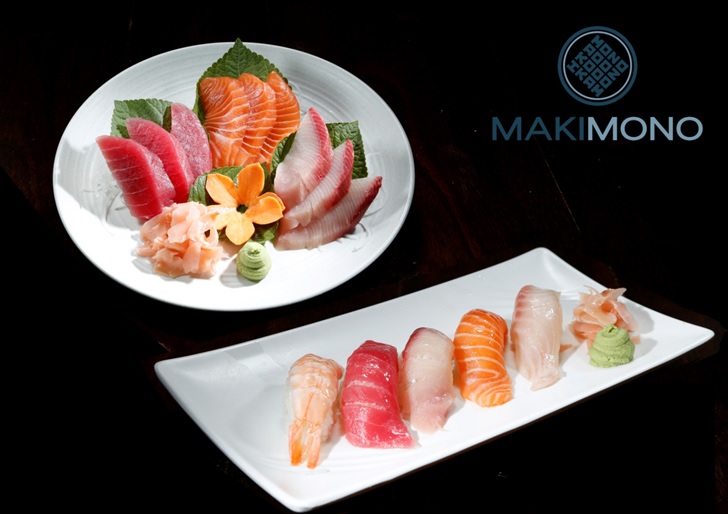
Nigirizushi, or nigiri, is a type of sushi consisting of an oblong ball of sushi rice typically topped with a little wasabi and a slice of raw fish. The rice can also be topped with cooked ingredients like cooked shrimp or tamagoyaki and garnishes like scallions. Its name comes from the verb “nigiru,” which means to clench or clasp in the hand. Making perfectly shaped nigiri by hand takes practice and skill.
Nigiri, on the other hand, is not like sushi because it does not include any additional ingredients or seaweed, and it is not like sashimi because it does include vinegar rice. Only raw fish is placed on top of rice in this dish. Wasabi and soy sauce are two complementary condiments that go well with this dish.
Nigiri, sushi, and sashimi are all relatively straightforward food preparations, yet, there are numerous approaches to presenting them and making them. They are symbolic of the artistic culinary craft that is characteristic of Japanese cuisine, which in turn has inspired a wide variety of culinary landscapes and civilizations originating from a variety of various walks of life.
These days, sushi, sashimi, and nigiri are held up as notable examples of traditional Japanese cuisine that can be seen on restaurant menus all over the world. If you are in Atlanta, Georgia, and you are looking for a place to eat at a truly authentic Japanese restaurant, you cannot go wrong with Makimono Krog, which is located in the Inman Park Krog Street Market.
Types of Nigiri Sushi
In addition to the main type of nigiri sushi described above, there is something called gunkan-maki. Gunkan-maki is a type of nigiri featuring some sort of soft or semi-liquid topping, such as minced tuna, fish roe, or sea urchin.
Gunkan-maki is thus distinguished by the fact that it has a strip of nori wrapped around the perimeter of the rice mound, making it look something like a battleship. The top edge extends above the rice, forming a sort of bowl or receptacle which holds the topping in place.
Another variation or subtype of nigiri is known as nori-ribbon nigiri, in which the topping is secured to the mound of rice by a thin strip of nori that is tied or affixed vertically around the nigiri. This is done when the topping lacks sufficient moisture to adhere to the rice properly. Unagi sushi is made with strips of grilled or simmered eel, and tamagoyaki sushi features a topping of sweetened omelet.
Sashimi
Sashimi is thinly sliced, raw food. It is one of the most famous dishes in the Japanese cuisine. Seafood is most commonly eaten as sashimi, but other meats (such as beef, horse and deer) and foods (such as yuba tofu skin and konnyaku) can also be served as sashimi. Some people confuse sashimi with sushi. Unlike sashimi, sushi includes vinegared rice.
Sashimi dishes are available at many types of restaurants and at most izakaya. They are also popularly used in teishoku set meals and are a standard element of traditional kaiseki course meals. The slices of raw food are often presented arranged atop of a bed of shredded daikon and garnished with shiso leaves. At some restaurants, the rest of the fish is sometimes presented alongside the sashimi as decoration.
How to eat sashimi
Most types of sashimi are seasoned with soy sauce by dipping each piece into a small dish of soy sauce before eating it. It is usually the diners’ responsibility to fill the small dishes with soy sauce, and it is good manner to pour only as much soy sauce as needed.
Depending on the type of sashimi, a little bit of wasabi or ground ginger may be added to the sashimi piece. This is most elegantly done by dabbing the wasabi or ginger directly onto the pieces of sashimi (as opposed to mixing it into the soy sauce). Some people also enjoy eating the daikon and shiso garnishes; both vegetables have a fresh, minty taste.
However, sashimi is not the same thing as sushi. Sushi dishes always use rice, but sashimi dishes feature raw seafood or meat. In spite of the fact that it is technically not sushi, sashimi is frequently offered as an addition to sushi meals. Sashimi of salmon, tuna, and yellowtail are standard offerings at many sushi places.
Sashimi, surprisingly, isn’t always prepared using raw fish. Chicken and beef versions are also available. Seafood like shrimp and squid can also be included. Making sashimi expertly calls for practice, focus, and precision. However, sashimi can be made at home by those with access to high-quality fish.

Nigiri vs. Sashimi
Another item that is common to Japanese sushi restaurants is sashimi, which is simply strips of raw fish with no rice at all (although rice can accompany sashimi). As such, sashimi is not technically a type of sushi since sushi always features rice. But you can think of nigiri sushi as a hand-pressed mound of rice with a strip of sashimi on top. Unlike nigiri and maki, sashimi is eaten with chopsticks.
Bottom Line
Nigiri may be the best option for those who have never had sushi. Raw fish can be intimidating to sushi novices. Nigiri is less scary than sashimi because it is served on a bed of rice. In addition, younger diners might feel more at ease using their fingers. But if you’re watching your calorie intake, sashimi is a fantastic option.
Finding a clear winner is an impossibility. In the end, personal taste is the deciding factor, although there are a few factors to consider.
 Yummmy Food Blog