
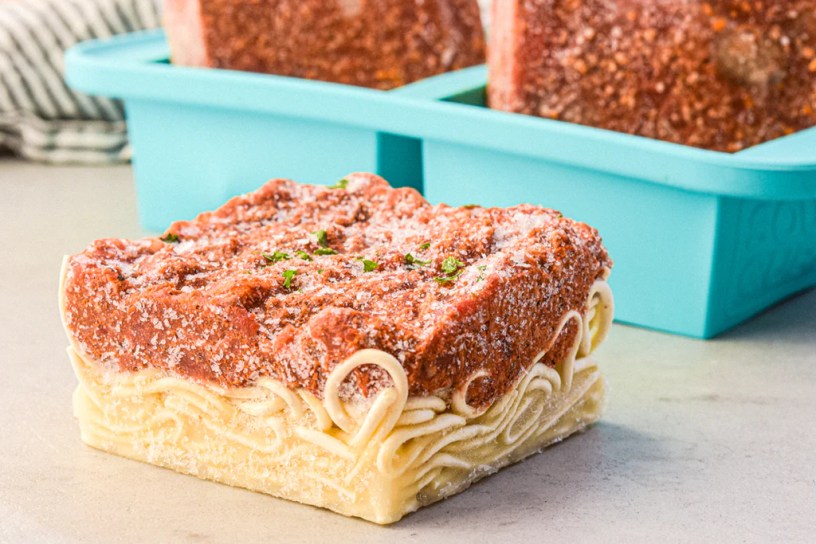
Meal prepping has become a practical habit across Europe for people who want to eat well, save time, and reduce food waste. At the heart of an efficient meal prep routine is the right cookware. Oven dishes that can move seamlessly from cooking to cooling to freezing are essential if you want consistent results and minimal washing up. Choosing the right oven dish early on makes the entire process easier, safer, and more enjoyable, especially when using a reliable collection like the one available at Pyrex.
This article explores oven dishes specifically for meal prepping and freezing, covering materials, sizes, food safety, portioning strategies, and real-world cooking tips that go beyond generic advice.
Why Oven Dishes Matter for Meal Prepping and Freezing
Meal prepping is not just about cooking in bulk. It is about preserving flavour, texture, and nutritional value across several days or weeks. Oven dishes play a critical role because they influence how evenly food cooks, how well it stores, and how safely it can be reheated.
When you use a dish designed for both oven and freezer use, you reduce the need to transfer food between containers. This minimises contamination risks and prevents spills, freezer burn, and unnecessary cleaning. A single dish that handles the entire journey from raw ingredients to reheated meals is a cornerstone of an efficient kitchen.
Materials That Work Best for Freezer Friendly Meal Prep
Glass Oven Dishes
Glass is widely preferred for meal prepping because it is non reactive and does not absorb odours or flavours. This is especially important when freezing strong tasting foods like curries, tomato based sauces, or spiced vegetables. Glass dishes also allow you to see portions clearly, which helps with planning and portion control.
Another advantage is temperature stability when used correctly. Quality glass oven dishes are designed to withstand high oven temperatures and low freezer temperatures without cracking, as long as sudden thermal shocks are avoided.
Ceramic Oven Dishes
Ceramic dishes retain heat very well, making them ideal for slow baked meals such as casseroles or gratins. They are attractive for serving directly at the table, which suits smaller household meal prep routines.
However, ceramics can be heavier and may not always be freezer rated. Always check manufacturer guidance before freezing food in ceramic dishes.
Metal Oven Dishes
Metal trays and tins heat quickly and are excellent for roasting and baking. For freezing, they are better suited to short term storage or for foods that will be removed and transferred later. Metal can react with acidic foods if left in contact for extended periods, so it is less ideal for long term frozen storage.
Choosing the Right Size and Shape
Selecting the correct size and shape of oven dish improves portion control and reheating efficiency.
Shallow dishes work well for:
- Lasagne and pasta bakes
- Roasted vegetables
- Tray bakes with even browning
Deep dishes are better for:
- Stews and casseroles
- Curries and braised dishes
- Meals with layered components
Using a set of varied sizes allows you to prepare individual portions and family sized meals in one cooking session. Smaller dishes also cool faster, which is safer before freezing.
Freezing Meals Safely in Oven Dishes
Freezing food is not just about placing it in the freezer. Proper technique protects texture, flavour, and safety.
Cooling Before Freezing
Never place a hot oven dish directly into the freezer. Allow food to cool at room temperature until steam is no longer visible, then refrigerate briefly before freezing if possible. This prevents condensation and ice crystals that cause freezer burn.
Headspace Matters
Liquids expand when frozen. Always leave some space at the top of dishes containing soups, sauces, or stews. Overfilling is a common mistake that leads to cracked dishes or lids being forced open.
Covering and Sealing
Use tight fitting lids or freezer safe wraps to protect food. A good seal prevents moisture loss and keeps odours from other freezer items from affecting your meal.
Best Types of Meals for Oven Dish Freezing
Not all foods freeze equally well. Oven dishes excel with meals that are designed to be reheated thoroughly.
Great options include:
- Baked pasta dishes with robust sauces
- Vegetable gratins and potato bakes
- Lentil or bean based casseroles
- Roasted vegetables with herbs and oil
- Slow cooked meat dishes with gravy
Foods with high water content, such as fresh salads or creamy sauces with high dairy content, may separate or lose texture after freezing. Adjust recipes slightly, for example by adding cream after reheating rather than before freezing.
Reheating from Frozen Without Compromising Quality
One of the biggest advantages of using an oven dish is the ability to reheat food evenly.
Oven Reheating
Most frozen meals benefit from being reheated slowly in the oven. Cover dishes initially to prevent drying out, then uncover toward the end to restore texture.
Microwave Use
Glass oven dishes that are microwave safe allow flexibility for quicker meals. Stirring halfway through reheating helps distribute heat evenly and prevents cold spots.
Avoiding Thermal Shock
Never move a frozen oven dish directly into a very hot oven. Let it sit at room temperature for a short time or start reheating at a lower temperature to protect the dish.
Meal Prep Strategies Using Oven Dishes
Batch Cooking
Prepare multiple recipes in one session using several oven dishes. While one dish bakes, another can cool, and another can be assembled. This rotation saves time and energy.
Layered Cooking
Some oven dishes allow you to cook components separately, such as roasted vegetables at the base and protein on top. Once cooled, the entire dish can be frozen as a complete meal.
Portion Control
Using individual sized oven dishes supports calorie control and reduces food waste. Each dish becomes a ready made meal with no measuring required later.
Cleaning and Maintenance for Longevity
Proper care extends the life of your oven dishes and keeps them looking new.
Helpful habits include:
- Allowing dishes to soak briefly rather than scrubbing aggressively
- Avoiding metal utensils on glass and ceramic surfaces
- Washing lids by hand if recommended
- Drying thoroughly before storage to prevent odours
Storing oven dishes with lids off or loosely placed allows airflow and prevents stale smells.
Sustainability Benefits of Reusable Oven Dishes
Reusable oven dishes reduce reliance on disposable containers and single use plastics. Over time, this choice cuts down household waste and supports a more sustainable kitchen.
Glass and ceramic dishes also last for years, making them a cost effective investment compared to repeatedly buying takeaway containers or freezer bags.
Real Life Tips from Regular Meal Preppers
Experienced meal preppers often recommend labelling dishes with the meal name and date. This avoids confusion and ensures food is used within safe timeframes.
Another practical tip is to freeze dishes flat and stacked once solid. This maximises freezer space and keeps meals organised.
Some people also plan meals around shared base ingredients, such as roasting a large tray of vegetables that can be divided into several oven dishes with different sauces or proteins.
Frequently Asked Questions
Can I freeze food directly in an oven dish without a lid?
Yes, but it is better to cover the dish tightly with freezer safe wrap or foil. This prevents freezer burn and keeps food fresher for longer.
How long can meals be stored in the freezer when using oven dishes?
Most cooked meals can be safely stored for up to three months. Dishes with high salt or fat content often keep their quality slightly longer, while vegetable based meals are best used sooner.
Is it safe to reheat food multiple times in the same oven dish?
It is safer to reheat only the portion you plan to eat. Repeated heating and cooling increases the risk of bacterial growth and can affect food quality.
Do oven dishes affect cooking time when reheating frozen meals?
Yes. Frozen meals take longer to heat evenly. Lower temperatures and longer reheating times produce better results than high heat.
How can I prevent my frozen meals from drying out?
Cover dishes during reheating and add a small amount of liquid if needed. Sauces, broths, or even a splash of water help restore moisture.
Are glass oven dishes heavier to handle when frozen?
They can be heavier, especially when filled. Using smaller dishes or portion sized containers helps manage weight safely.
Can I freeze meals with cheese or cream in an oven dish?
You can, but expect some texture changes. Hard cheeses usually freeze better than soft cheeses or cream based sauces. Stirring after reheating improves consistency.
By choosing oven dishes designed for cooking, storing, freezing, and reheating, meal prepping becomes simpler and more reliable. With the right approach, these dishes support healthier eating habits, reduce waste, and bring structure to busy weekly routines without sacrificing flavour or convenience.
 Yummmy Food Blog